

Feeding a Million Haitians by 2026: A Sustainable Solution
- Apr 6, 2025
- 8 min read

Welcome to this essential presentation on our ambitious food security project in Hayti. Today, we're showing you how, with your support, we can sustainably improve the lives of one million people through an innovative and sustainable approach. Discover how a simple pumpkin seed can be the starting point for a true agricultural and nutritional revolution in Hayti.
The Challenge of Food Security in the Empire of Haiti
Challenges for a Prosperous Hayti
Persistent Food Insecurity
Every day, millions of families in Hayti struggle to feed themselves adequately, facing a food crisis that is worsening over time.
A Land Subject to the Whims of the Climate
Increasingly extreme weather conditions are jeopardizing harvests, undermining the country's food stability.
Determined but Struggling Peasants
Despite their hard work, many farmers struggle to secure a stable income, perpetuating a cycle of poverty.
An Urgent Need for Modern Infrastructure
Without access to efficient and suitable irrigation systems, Hayti's agricultural potential remains underexploited, hampering the country's development.
It is time to build a future where every resident of Hay has access to healthy and sufficient food, thanks to sustainable solutions adapted to the realities of the territory.
Our Solution: The Soup Jouw-Moun Project
Intensive Cultivation of Giraumons
We are implementing intensive pumpkin cultivation on 1.2 hectares of land, an innovative initiative aimed at feeding one million people by 2025. By combining agricultural know-how, responsible resource management, and strategic collaborations, we are building a sustainable solution for Hayti's food future.

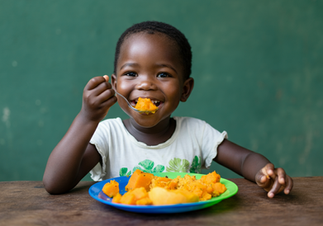


Why is Pumpkin the Key to Food Security in Hayti?
Because it's resilient, nutritious, and perfectly suited to Haiti's climate. Rich in essential vitamins and minerals, it effectively combats malnutrition while providing farmers with a profitable and sustainable crop. A real solution for a more stable and prosperous food future.
The Agents of Change
Coop Vizyon Munal
The International Cooperative, the pillar of the project, guarantees a solid anchoring within the communities and ensures the relevance of the actions carried out.
Kosâha Neighborhood Committee
An organization leveraging its expertise in sustainable agriculture and community project management for a concrete and lasting impact.
Amazing One
An international partner providing logistical support for fundraising campaigns and ensuring global visibility for the project.
The Felicity Happiness Foundation
A local foundation leveraging its network and expertise to strengthen community development.
Ambitious Goals for a Sustainable Impact
✅ Feed a million people through optimized agricultural production.
✅ Ensure sustainable food security by developing sustainable solutions.
✅ Empower farmers by providing them with viable economic opportunities.
✅ Preserve and sustainably manage natural resources for future generations.
✅ Boost the local economy by supporting food production and distribution.
Our project is not limited to responding to the food emergency; it also aims to build a sustainable model of agricultural development in Hayti. Each level of this pyramid embodies a fundamental pillar of our overall strategy.
The Nutritional Benefits of Pumpkin
🌿 A Concentrate of Vitamins
Pumpkin is packed with vitamins A, C, and E, which are essential for strengthening the immune system and maintaining overall health.
⚡ A Source of Essential Minerals
Thanks to its richness in potassium, magnesium and iron, it plays a key role in a balanced diet and helps prevent nutritional deficiencies.
🍽️ A Food Rich in Fiber
Its fibers promote healthy digestion and provide a lasting feeling of satiety, thus helping to combat malnutrition.
🛡️ An Antioxidant Shield
The antioxidants present in pumpkin protect the body and strengthen the immune system against various diseases.
Action Plan: From Seed to Table


Key Stages of the Project
🌱 Ground Preparation
Installation of agricultural infrastructure and implementation of a drip irrigation system on 1.2 hectares.
🌿 Planting and Cultivation
Sowing certified pumpkin seeds and applying intensive cultivation techniques to maximize yields.
🛒 Harvest and Distribution
Collection of ripe pumpkins and organization of an efficient distribution network to local communities.
🎓 Training and Support
Establishment of training programs for farmers, focusing on sustainable agricultural practices and post-harvest management.
Agricultural Innovation: Drip Irrigation System
Optimal Water Management
With drip irrigation , every drop of water is used efficiently, directly at the plant roots. This technology reduces water waste by 60% compared to traditional irrigation methods, such as flooding or sprinkler irrigation.
In a country like Hayti , where access to water is increasingly threatened by droughts and climate change, this innovation is essential to ensure sustainable agriculture . It not only saves water resources , but also improves crop yields by providing plants with the water they need, at the right time and in the right quantity.
Optimized Performance for Maximum Production
By adopting targeted and efficient irrigation, we anticipate a 40% increase in pumpkin yield , thus maximizing production on our 1.2 hectare plot. This innovative approach ensures optimal use of resources and plays a key role in achieving our ambitious goal: to feed one million people through sustainable and efficient agriculture.

Economic and Social Impact: A Sustainable Model for Hayti
🔹 Fair Income
Ensure fair remuneration for farmers, thereby promoting the growth of the local economy and the financial stability of rural communities.
🔹 Strengthening Social Bonds
Create a unifying and inclusive project that encourages collaboration and solidarity within agricultural communities.
🔹 Training and Autonomy
Developing agricultural skills through continuing education programs, ensuring a qualified and independent workforce.
🔹 A Sustainable Development Model
Implement a reproducible agricultural approach that promotes sustainable economic growth and responsible management of natural resources.
Numerical Objectives: Our Vision for 2025
📌 1 Million People Fed
Our ambition is to ensure food security for 1 million Haitians by 2025 , by developing efficient and sustainable agricultural production.
📌 1.2 Hectares of Intensive Cultivation
An area optimized to maximize pumpkin production , while maintaining sustainable resource management.
📌 +40% Agricultural Yield
Through drip irrigation and innovative farming techniques, we aim
a 40% increase in harvests .
📌 60% Water Saving
Significant reduction in water consumption compared to traditional irrigation methods, ensuring efficient management of water resources.
Our project combines innovation, sustainability and social impact , building resilient and profitable agriculture for future generations in Hayti.
Detailed Budget: Transparency and Efficiency
Expense Item | Amount (US$) |
|---|---|
Purchase pumpkin seeds | 2,000 |
Agricultural equipment | 2,500 |
Installing a drip system | 3,000 |
Farmers' remuneration | 2,000 |
Logistics and miscellaneous costs | 500 |
Total | 10,000 |
The Importance of Every Donation from Haitians.
$10 = 1 Starter Kit Provides the seeds and basic tools for a small family vegetable garden.
$50 = Farmer Training Funds one day of training on sustainable farming techniques.
$00 = Irrigation System for 100m² Allows the installation of a drip system on a productive plot.
$500 = Complete Equipment Provides all the tools needed to efficiently cultivate 0.1 hectares.
Every contribution, no matter the size, plays a crucial role in achieving our vision. Your generosity today will mean nutritious meals tomorrow for thousands of Haitian families.
Strategic Partnerships: The Strength of Union
Local collaboration
Close partnership with local authorities and community organizations for effective implementation.
Academic expertise
Collaboration with Haitian universities for research and innovation in sustainable agriculture.
International support
Support from international NGOs for technical expertise and visibility of the project.
Private sector
Partnerships with local companies for the distribution and processing of products.
Environmental Sustainability: At the Heart of Our Approach


Ecological Agricultural Practices
Use of organic farming methods, reducing the impact on the environment.
Water Management
Drip irrigation system for optimal use of water resources.
Soil Conservation
Crop rotation and mulching techniques to preserve soil fertility .
Biodiversity
Promoting crop diversity to strengthen ecosystem resilience.
Capacity Building
Agricultural Techniques
Modern Intensive training on pumpkin cultivation methods and sustainable soil management.
Water Management
Learning efficient irrigation and water conservation techniques.
Post-Harvest Management
Training on storage, processing and marketing of products.
Agricultural Entrepreneurship
Development of business management skills for financial independence.
Innovation at the Service of Productivity
Advanced Genetic Selection
We use pumpkin varieties selected for their high yield and disease resistance. This approach optimizes production on our limited 1.2-hectare plot.
Precision Technologies
The use of drones and soil sensors allows us to monitor crop health in real time, quickly identify problems and adjust our practices to maximize productivity.
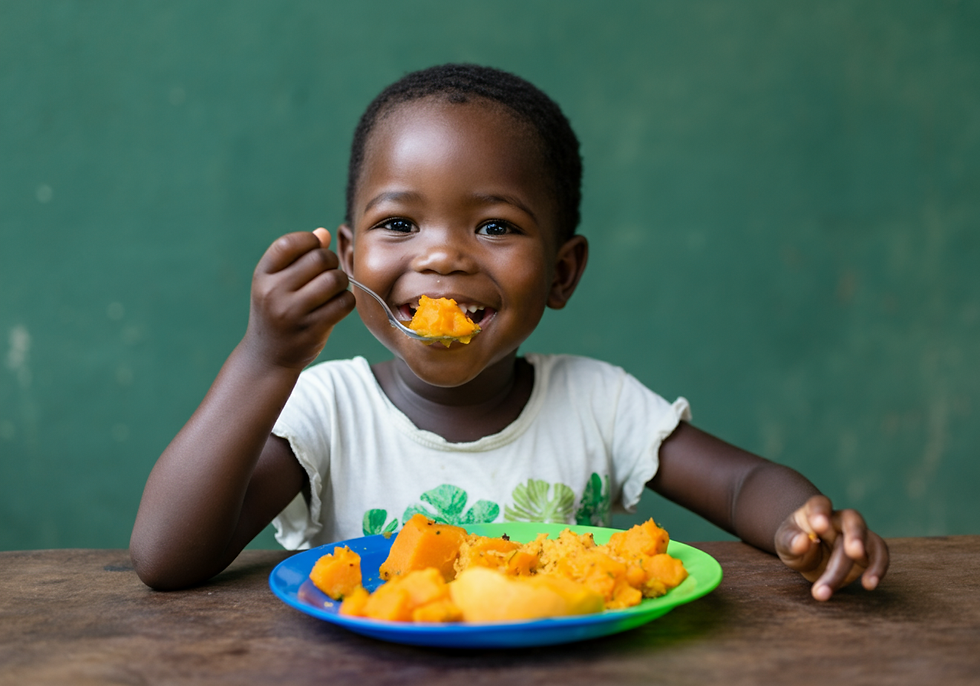
Impact on Community Health
Reduction of Malnutrition
Improved Immunity
Optimal Child Development
Better Maternal Health
Reduction of Chronic Diseases
The widespread introduction of pumpkins into the local diet has profound repercussions on the health of the community. From the base to the top of this pyramid, each level represents a crucial aspect of improving public health through our project.
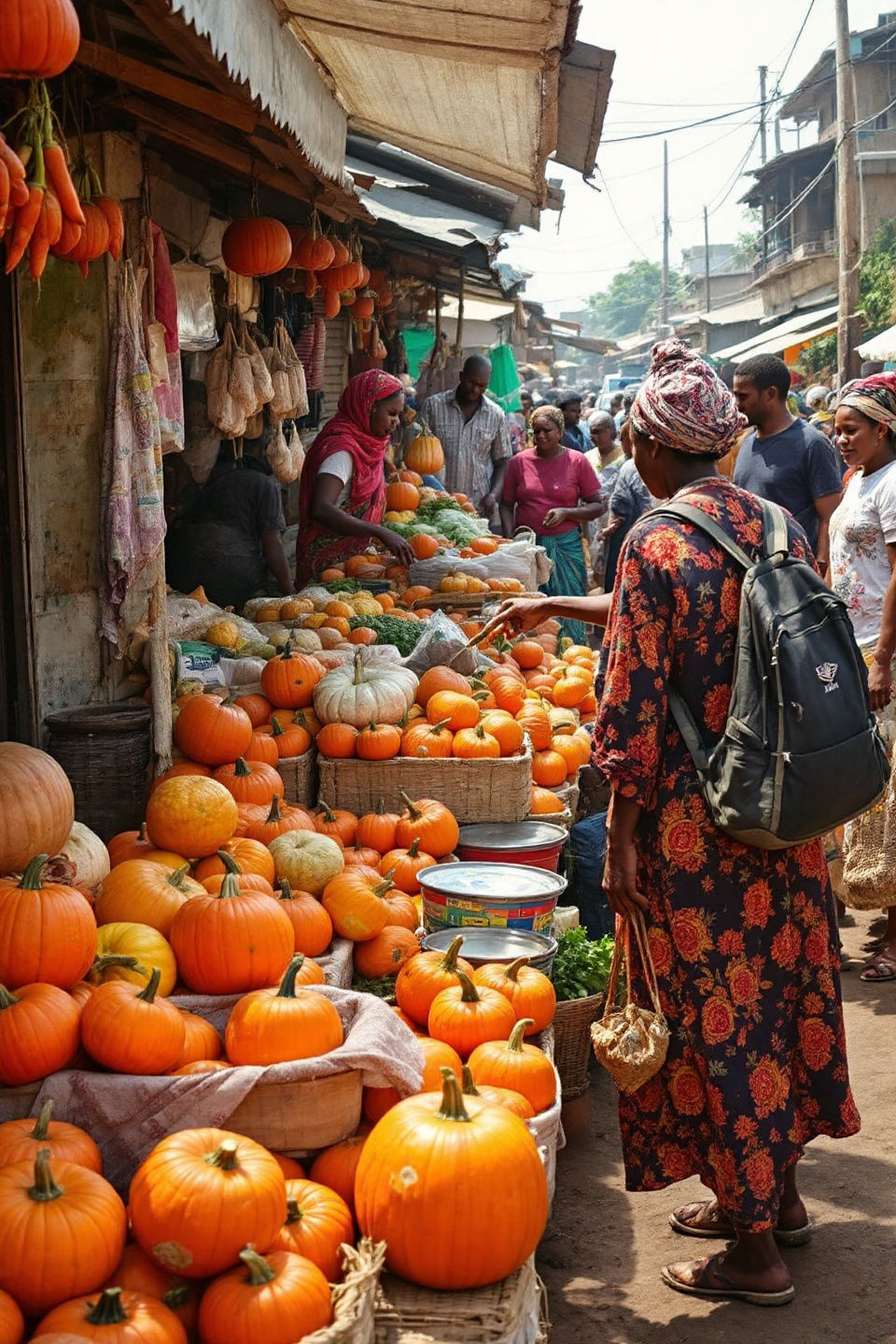
Sustainable Economic Model
Intensive Production
Optimized cultivation of pumpkins on 1.2 hectares for
maximize yield.
Local Transformation
Creation of added value through the transformation of
pumpkins in derivative products.
Direct Marketing
Direct sales to consumers and local institutions to maximize revenue.
Reinvestment
Part of the profits reinvested in the expansion and improvement of the project.
Community Engagement: The Heart of the Project
Local Committees
Establishment of community management committees to ensure active participation and ownership of the project by residents.
Cultural Events
Celebrating pumpkin culture through food festivals and local agricultural competitions.
Nutritional Education
Organization of workshops on the importance of a balanced diet and the health benefits of pumpkin.
Intergenerational Mentoring
Mentoring programs between experienced and young farmers, ensuring knowledge transfer.
Risk Management: Anticipation and Adaptation
Climate Risks
Establishment of early warning systems and cultivation techniques resistant to climatic hazards.
Market Fluctuations
Diversification of outlets and creation of reserves to stabilize income.
Diseases and Pests
Use of integrated pest management methods and resistant varieties to minimize losses.
Political Instability
Close collaboration with local authorities and strengthening community resilience.
Future Outlook: Beyond 2025
2026: Project Expansion
Increase in cultivated area to 5 hectares, affecting 2 million beneficiaries.
2027: Crop Diversification
Introduction of new complementary crops for a more varied diet.
2028: Research Center
Agricultural Creation of a center dedicated to innovation in sustainable agriculture in Hayti.
2030: National Model,
Adoption of the model by the government of the Haitian Empire as a national food security strategy.
The Multiplier Effect of Your Donation
1 Dollar Invested
Every dollar donated has an impact far beyond its face value.
3 Jobs Created
For every $1,000 invested, 3 local jobs are generated.
5 People Fed
On average, every dollar provides nutritious meals for 5 people.
10x Return on Investment
The long-term economic impact is estimated at 10 times the value of the initial donation.
Recognition and Rewards for Donors
Certificate of Participation
Mention on Our Website
Virtual Tour of the Project
Invitation to the Annual Event
Named Sponsorship of a Plot
We honor every contribution, no matter how small. Our recognition program demonstrates our deep gratitude and strengthens the precious bond we share with our benefactors, actively involving them in the success and growth of the project.
Social Transformation: Beyond Agriculture
Elevation and Sovereignty of Women
At the heart of our initiative, women stand as essential pillars of progress, masters of their own destiny and guardians of community balance. From land cultivation to governance, they embody the creative force shaping the future, asserting their economic autonomy and decision-making power with nobility and determination.
Education and Heritage
Ensuring food security means giving families the opportunity to invest in their children's education. It means sowing knowledge, cultivating excellence, and building an unwavering legacy for future generations. Thus, Haitian youth rise, rooted in the greatness of their people, ready to write their own destiny.
Transparency and Accountability
Quarterly Reports
Regular publication of detailed reports on project progress and use of funds.
Online Tracking Platform
Real-time access to project data for donors and partners.
Annual External Audit
Independent verification of our accounts and results by a recognized audit firm.
Supervisory Committee
Establishment of a committee including local and international representatives to oversee the project.

$50
Product Title
Product Details goes here with the simple product description and more information can be seen by clicking the see more button. Product Details goes here with the simple product description and more information can be seen by clicking the see more button

$50
Product Title
Product Details goes here with the simple product description and more information can be seen by clicking the see more button. Product Details goes here with the simple product description and more information can be seen by clicking the see more button.
$50
Product Title
Product Details goes here with the simple product description and more information can be seen by clicking the see more button. Product Details goes here with the simple product description and more information can be seen by clicking the see more button.


Comments